
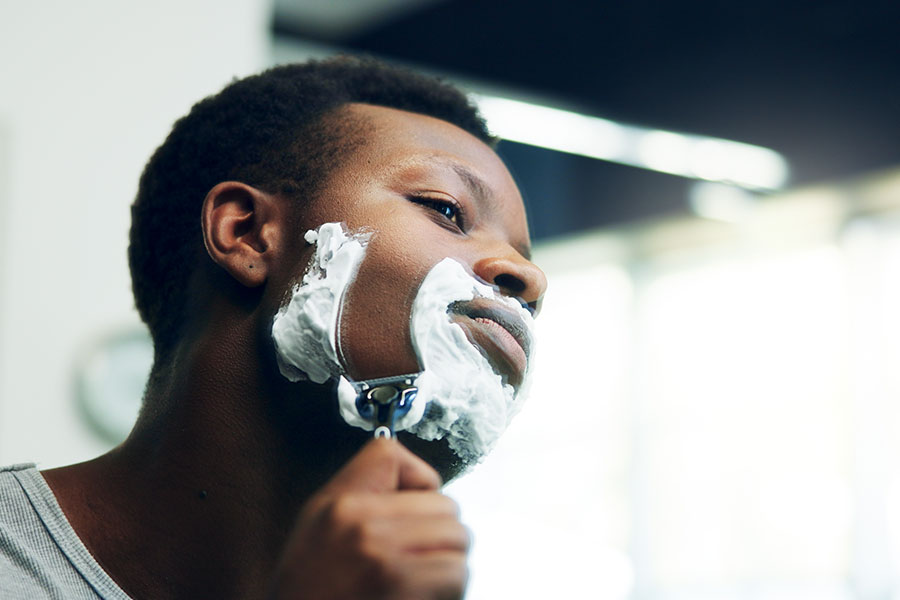
As the calendar turns to March, the collective mindset shifts toward “spring cleaning.” We air out our homes, declutter our workspaces, and prepare for a fresh start. However, one area that is frequently overlooked in this annual ritual is the skin. For those who struggle with shaving irritation, March is actually the most critical time of year to perform a “grooming audit.” After months of enduring harsh, dry winter air, your skin has likely accumulated a layer of “winter debris”—a buildup of dead skin cells that act as a microscopic trapdoor. This barrier prevents hair follicles from growing outward, leading to a significant seasonal spike in razor bumps and ingrown hairs.
The transition from winter to spring is more than just a change in temperature; it is a biological shift for your skin. During the winter, low humidity levels strip the skin of its natural lipids, causing the top layer (the stratum corneum) to become tough, dry, and less pliable. When you attempt to shave over this surface, the razor doesn’t glide; it skips and tugs. This “micro-trauma” to the follicle is the primary catalyst for Pseudofolliculitis Barbae (PFB), commonly known as razor bumps.
As March introduces slightly higher humidity and more outdoor activity, your skin’s sebaceous glands begin to produce more oil (sebum). While this is generally good for hydration, if that oil becomes trapped under the lingering “winter crust” of dead skin cells, it creates a plug. When a newly shaved hair tries to emerge through that plug, it often curls back on itself. By the time you notice the irritation, the inflammation is already well underway.
To break this cycle and achieve a professional-grade shave, you need a proactive strategy that goes beyond just “shaving less.”
1. Chemical vs. Physical Exfoliation While many reach for a scrub brush, physical exfoliation can sometimes cause micro-tears that worsen inflammation. March is the time to lean into chemical exfoliation. Using a concentrated treatment like Bump Stopper-2 provides the targeted exfoliation necessary to dissolve the “glue” holding dead skin cells together. This ensures the hair has a clear, unobstructed path to the surface.
2. Hydration Without Congestion A common mistake is continuing to use heavy, oil-based winter balms well into the spring. As temperatures rise, these heavy products can mix with increased sweat and sebum to clog pores. The goal in March is to swap to medicated formulas that provide hydration while simultaneously treating the follicle. Bump Stopper products are engineered to soothe the skin’s surface while keeping the pore open and breathable.
3. The Blade Audit March 1st should be your official “Blade Audit” day. Most men use their razors far past their expiration date. A dull blade requires more pressure, which scrapes away the skin’s protective barrier. Start the season with a fresh, sharp blade and commit to changing it every 3-5 shaves to minimize friction.
4. Post-Shave Sealing The moments immediately after shaving are when your skin is most vulnerable. Applying a treatment immediately—rather than waiting for bumps to appear—is the difference between reactive care and proactive prevention.
You get more razor bumps in the spring because dead skin cells accumulated during the dry winter months block hair follicles. As oil production increases in March, these dead cells trap hairs beneath the surface, causing them to grow inward. To prevent this, use a medicated exfoliant like Bump Stopper to clear the skin’s surface and ensure hairs can grow out freely.